



Ti
Titanium Anodizing
- Type II
- Type III
Titanium Anodizing
Titanium anodizing is an electrochemical process that converts the titanium at the surface of the part to titanium oxide. The titanium oxide coating penetrates the surface with effectively no buildup.
Type II titanium anodization, which was developed by the Aerospace industry, is a matte gray color and provides wear and abrasion resistance.
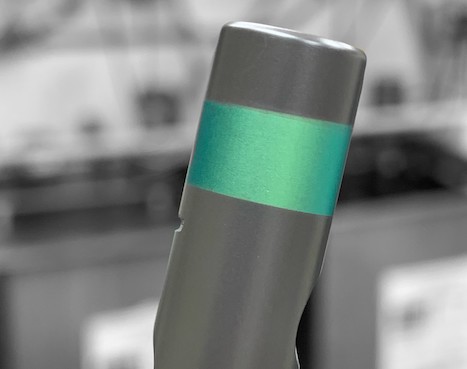
Type III titanium anodization produces a variety of colors via the thickness of the oxide layer. It is used extensively in Medical applications for identification and branding.
Capabilities:
- Type II, Gray
- Type III, Colors (Click for ECO Standard Color Range)
- Masking of Non-Coated Areas
- Type II and Type III on Same Part
- Multiple Colors on Same Part
Benefits:
- Corrosion Resistance
- Excellent Dielectric Properties
- Wear and Abrasion Resistance
- Variety of Colors Available
- Part Identification
Specifications:
- AMS 2488
- ASTM F-86
- Many Medical OEM Specifications
Example Applications:
- Bone Screws and Plates
- Artificial Joint Components
- 3D Printed Ti Parts
- Aerospace Components
Important Considerations:
- Alloy
- Tight Dimensional Tolerances
- Masking
- Racking
ECO can provide guidance on each of these items relative to your specific parts.
Quoting Information
Always request a quote prior to sending an order. To facilitate the quoting process, please include a part drawing and processing specification if applicable. If the drawing and/or specification do not identify the following, please provide: grade of titanium, all processes required, masking if required, and acceptable racking location(s). Typical lot size and annual volume are also helpful for quoting. To achieve optimum performance and cost-effectiveness, all coating requirements should be reviewed with ECO prior to processing.
For maximum protection against damage and loss, before and after processing, all parts must be properly packaged and shipped in suitable containers. Parts will be returned in same packaging used to ship parts to ECO. Parts need to be free of excessive dirt and contamination prior to processing. ECO will remove light oil, soils, and other preservative materials.